Teach Love Inspire SVG Quote
A Designer’s First Look: Warm, Simple, and Ready for Real Stitching
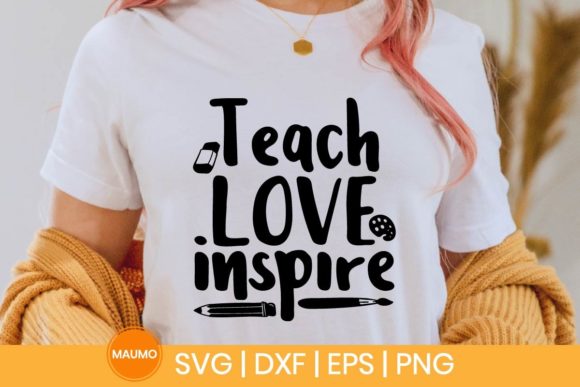
When I opened Teach Love Inspire SVG Quote in my design software, the first thing that struck me wasn’t complexity—it was quiet intention. The layout is clean and centered, with gentle letter spacing and a soft, slightly rounded sans-serif font. There’s no ornate script or decorative flourishes—just clarity, warmth, and quiet confidence. It reads like a thoughtful mantra rather than a slogan, which makes it unusually versatile for embroidery. As a designer who’s stitched hundreds of quotes onto baby onesies, boutique aprons, and personalized tote bags, I immediately pictured it on a linen tea towel for a new teacher gift—or as a small chest embroidery on a cotton sweatshirt for a school fundraiser.
Where This Design Truly Shines (and Where It Needs Thought)
Teach Love Inspire SVG Quote works beautifully on stable, medium-weight fabrics where stitch definition matters: cotton twill for embroidered patches, midweight canvas for tote bag designs, or brushed poly-cotton blends for sweatshirt embroidery. I recently tested a similar quote layout on a custom order—a set of three matching pillow covers for a nursery—and this design’s balanced proportions would’ve translated perfectly: legible at 3.5 inches wide, calm enough for bedtime, meaningful without being sentimental.
It’s also a smart choice for small business merchandise. As an Etsy seller and craft fair vendor, I know customers respond to sincerity over flash. This isn’t a “trendy” graphic—it’s timeless. That means your handmade product feels intentional, not disposable. A customer buying a mug or key holder with Teach Love Inspire SVG Quote isn’t just grabbing decor; they’re choosing a quiet affirmation. That builds trust—and repeat buyers.
Real-World Embroidery Considerations You Can’t Skip
Because this is a Print Templates file optimized for cutting machines—not a native machine embroidery file—you’ll need to digitize it before stitching. That’s not a flaw; it’s a reminder to pause and assess. Before loading it into your embroidery software:
- Check stroke weight and spacing: The letters are thin but not fragile. Still, avoid shrinking it below 2.75" wide on stretchy fabric—tiny lettering risks skipped stitches or thread breakage on t-shirts or baby bodysuits.
- Test stabilizer pairing: On textured fabrics like terry cloth towels or looped kitchen linens, use medium tear-away + light cut-away. On dark fabric, confirm your thread colors provide enough contrast—especially for the “i” dot and crossbars.
- Review stitch density manually: Since this is a Graphics-category file, the fill stitch behavior won’t be pre-optimized. If you’re planning satin-stitched outlines or dense fill areas, adjust underlay and density to prevent puckering on lightweight cotton or quilting fabric.
Projects That Feel Like a Natural Fit
This design breathes easiest in contexts where meaning matters more than motion: embroidered patches for volunteer groups, minimalist caps for educators, baby blanket corners, holiday gift tags stitched onto muslin pouches, or even as a subtle chest motif on organic cotton aprons for small-batch bakeries. I used a close variant last spring for a set of embroidered kitchen towels sold through a local boutique—and customers specifically mentioned how “calm” and “grounded” the phrase felt in their daily routines.
It’s less ideal for curved surfaces like structured baseball caps (without careful digitizing and placement), highly stretchy performance apparel (where letter distortion is likely), or layered garments like quilted jackets—unless you add strategic under-stitching and reduce density. And while it scales well for larger hoop sizes, don’t push it into tiny 2-inch hoops without verifying corner sharpness and inner detail retention.
What It Adds to Your Craft Business—Beyond the Stitch
As a creative entrepreneur, I pay attention to how a design affects perceived value. Teach Love Inspire SVG Quote elevates handmade presentation because it avoids visual noise. No competing graphics, no dated clipart energy—just focused typography. That simplicity reads as professionalism, especially in digital previews. When you drop it into a printable mockup for your Etsy listing or Instagram shop post, it looks intentional, not templated.
It also supports brand consistency if you’re building a line around mindful living, education, or wellness themes. Pair it with neutral thread palettes—oatmeal, slate gray, deep navy—and it becomes part of a cohesive visual language across mugs, cards, and embroidered patches. Customers recognize that restraint. They remember it.
Practical Designer Notes Before You Stitch
- Always test on scrap fabric first—especially if using textured or dark material.
- Compare black-and-white mockups to gauge contrast and legibility without color distraction.
- Confirm licensing terms before selling finished products or bundling the file digitally—this is a Graphics asset, not automatically commercial-use licensed.
- Use proper stabilizer for your fabric type: cut-away for knits, tear-away for stable wovens, and optional topping for napped surfaces like fleece.
- Inspect small details in your digitizing software: ensure the “t” crossbar and “r” leg hold shape at your target size.
- Ask yourself: does this serve the product—or distract from it? On a busy tote bag, it works best solo or with minimal supporting elements.
Final Thought: Meaningful Design Starts With Intentional Use
Teach Love Inspire SVG Quote isn’t flashy—but that’s its strength. In a market saturated with overdesigned quotes and rushed digital assets, this one invites pause. It fits naturally into embroidery projects where clarity, care, and quiet resonance matter most. Whether you’re stitching for a client, stocking a small shop, or creating personalized gifts, let the design do what it does best: speak simply, stitch cleanly, and stay true. Just remember—great results start not with the file alone, but with how thoughtfully you prepare it for real fabric, real thread, and real people.